The 95G Method — Built for Facility Managers
A clean, compliant and high‑performing ventilation system is never the result of chance. It requires, #planning, #technical_expertise and #structure_ follow‑up. The 95G Method was developed with facility managers in mind: a predictable, data‑driven approach that maps your installation, delivers certified cleaning and provides long‑term oversight — with a guaranteed minimum 95% cleanliness result.
1. Assessment — Think First, Then Act
For facility managers, the biggest risk is starting work without understanding the system. That’s why the 95G Method begins with a thorough Assessment phase.
#Engineered_insight
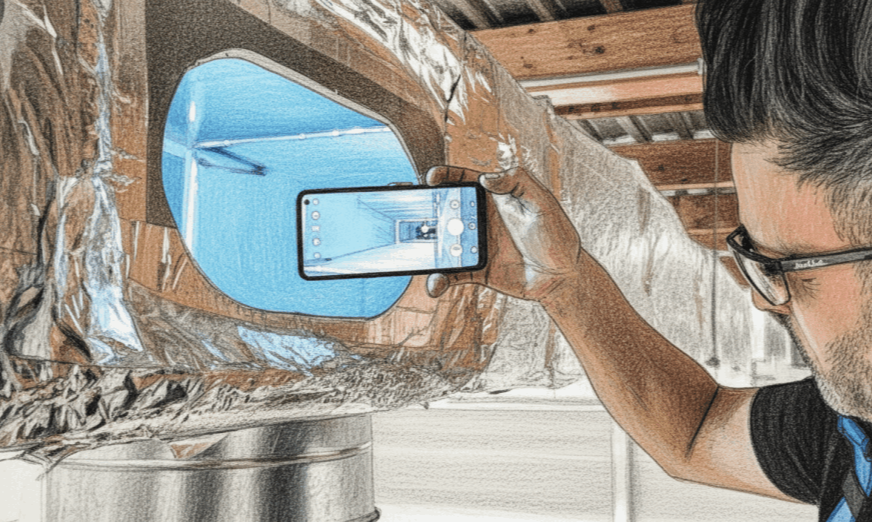
We perform a detailed inspection of your entire ventilation network. Using our own digital tools and AI analysis, we identify:
- inaccessible or high‑risk zones
- components requiring special attention
- compliance gaps (EN 15780 / EN 12097)
- the most efficient cleaning strategy
This gives you a clear, objective overview — not assumptions or guesswork.
Prepared for safe and efficient work
Before cleaning begins, we ensure:
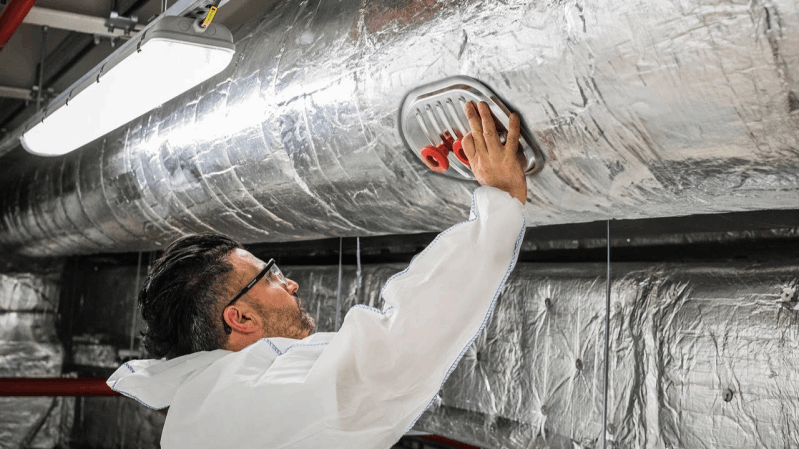
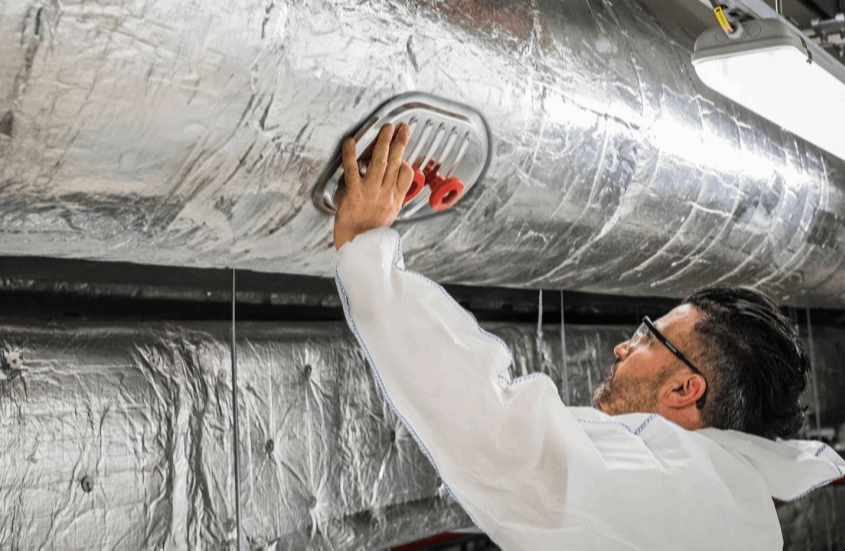
- all inspection hatches are checked
- the system is safely prepared
- the work zone is secured and clearly marked
For facility managers, this means **no surprises**, no downtime risks and a fully controlled process.
2. Cleaning — Certified, Controlled and Guaranteed
During the Cleaning phase, the focus shifts to quality, safety and measurable results.
Certified execution. Our technicians, equipment and processes meet the strictest industry standards. Every specialist is trained to work safely, consistently and in line with European regulations.
Guaranteed performance. The 95G Method ensures a minimum 95% cleanliness score, verified through objective measurement techniques.
This gives facility managers:
- reliable before/after documentation
- audit‑ready evidence
- predictable maintenance outcomes
What makes the 95G Method different from traditional cleaning
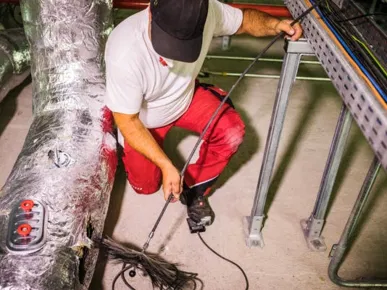
- Ultra‑low linear brush speeds. Dirt is loosened in a controlled way, reducing the risk of spreading contamination.
- Ultra‑low rotational speeds. Ensures precise removal without damaging the ductwork.
- Specialized brushes. Designed for low‑speed, high‑efficiency cleaning.
- Point extraction instead of general negative pressure. Contamination is captured exactly where it is released, dramatically reducing the risk of dust entering occupied spaces.For facility managers, this means cleaning that is safer, more effective and fully traceable.
3. Management — Documented and Future‑Proof
A one‑off cleaning is not enough to maintain compliance or protect your building.
The final phase of the 95G Method focuses on long‑term management.
Documented for audits and insurance
You receive a clear Smart Report via our myHamster platform, including:
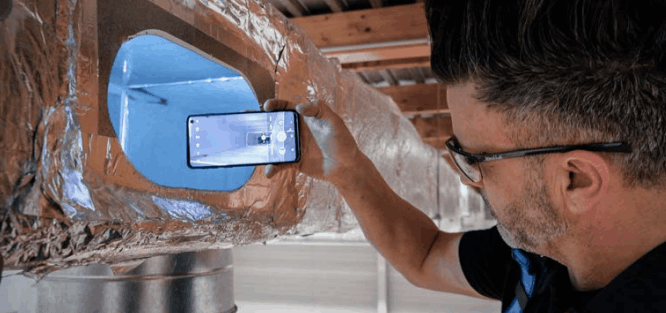
- before/after images
- measurement results
- system observations
- recommendations for next steps
This documentation supports:
- insurance claims
- fire safety audits
- internal compliance reporting
- maintenance planning
Progressive follow‑up
Through SLAs and periodic monitoring, we ensure your ventilation system remains in optimal condition.
This helps facility managers:
- plan budgets more accurately
- avoid unexpected failures
- maintain compliance year‑round
- extend the lifespan of the installation
In Summary — Why Facility Managers Choose the 95G Method
**Predictable results with a guaranteed 95% cleanliness score
**Objective data for audits, insurers and internal reporting
**Safer cleaning with minimal disruption to building operations
**Full transparency through digital reporting and AI‑supported assessment
**Long‑term control through structured follow‑up and monitoring
The 95G Method gives facility managers what they need most, #Clarity, #Compliance and #Confidence that the ventilation system is truly clean and under control.